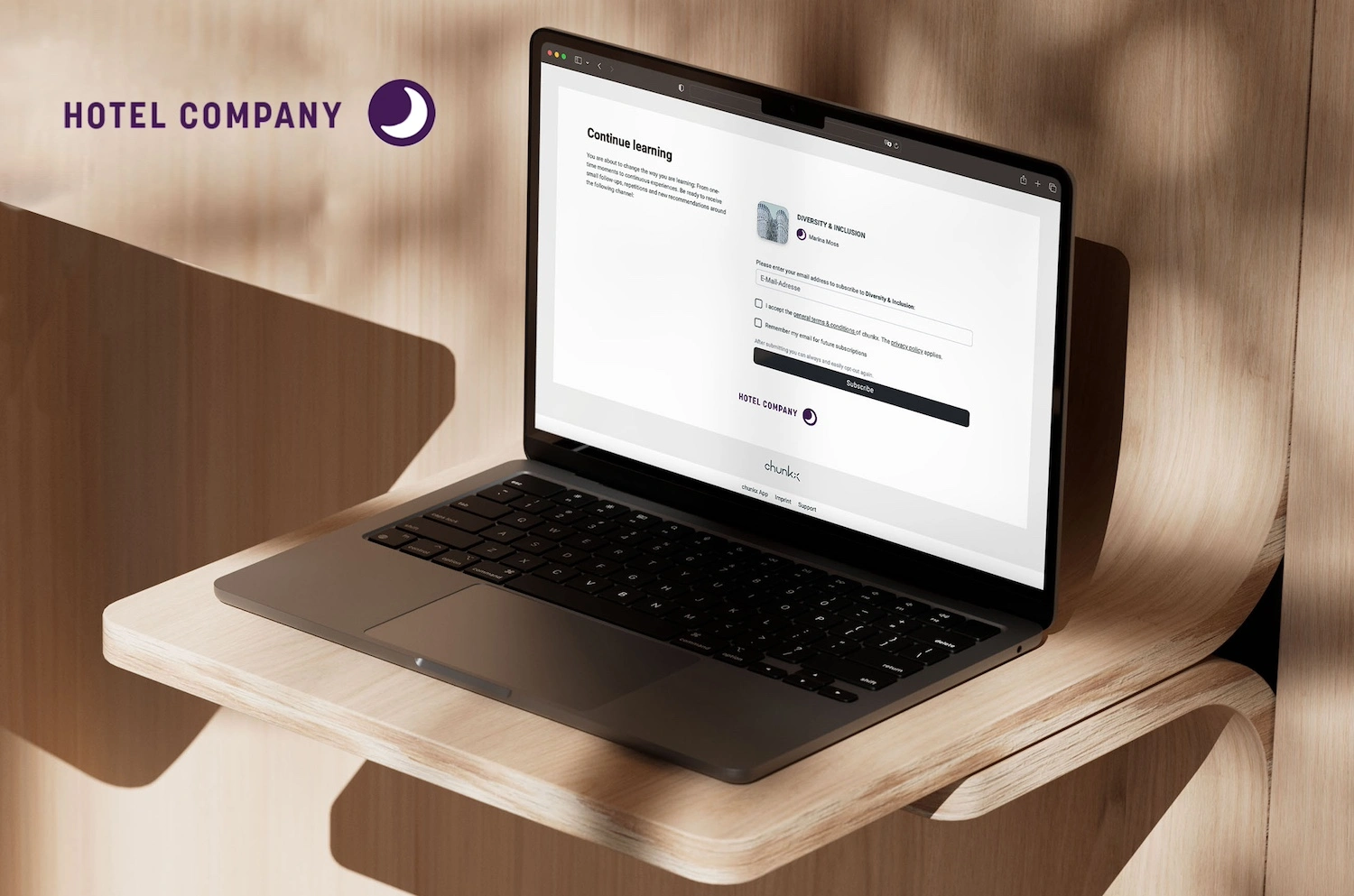
Changing Values in the Hotel Industry
The hotel industry is a dynamic and multifaceted sector that is increasingly shaped by change – whether globalization, digitalization or artificial intelligence. Employees and travelers come together from different cultures and backgrounds. As a result, establishing Diversity, Equity, Inclusion, and Belonging (DEIB) plays a decisive role in the success and innovative strength of hotels.
This change goes far beyond surface-level adjustments and influences the way hotels operate. It shapes how managers lead their teams and deliver services. This change has a lasting impact not only on corporate culture, but also on the guest experience.

Challenges in the Hotel Industry
This profound change in values presents hotels with the challenge of attracting, retaining and developing new talent.
While there has already been positive progress in establishing inclusive environments, there are still areas that require attention. For example, the hotel industry faces challenges such as:
- Underrepresentation in management positions
- Unequal and unfair opportunities for advancement
- Lack of cultural competence
- Discrimination in the workplace
- Resistance to change
- Lack of data and metrics
- Global differences in diversity practices
- High turnover rates
Overcoming these challenges requires a comprehensive and continuous commitment from senior management, combined with strategies that promote equality and inclusivity at all levels of the organization.

Opportunities Through an Inclusive Leadership Culture
Inclusive leadership is crucial in the hotel industry too, in order to foster a positive workplace culture, increase employee engagement and ultimately improve the guest experience. Inclusive leadership means involving employees and communicating appreciation.
This achieves the following:
- Greater commitment from the workforce
- Higher customer satisfaction, innovation and creativity
- Higher employee retention and loyalty
- Better adaptability to global markets
- Greater attractiveness as an employer
- Fewer conflicts in the workplace
- Legal and ethical compliance
- A positive brand image
- Improved employee well-being
Inclusive leadership in the hotel industry is not only a question of social responsibility, but also a strategic necessity for competitiveness.
To create an inclusive and equitable working environment, it is essential to address and break down stereotypes. This includes questioning and overcoming preconceived ideas and prejudices about certain groups of people based on characteristics such as gender, ethnicity or socio-economic status.
Implementing effective training and DEI practices requires ongoing commitment, education and a willingness to adapt to the changing needs of employees and guests.
Sustainable Development for Managers of an International Hotel Chain
vaunda Unternehmensberatung designed a learning landscape on inclusive leadership for the managers of an international hotel chain. The focus was on 120 managers in Germany.
The hotel chain – with over 800 hotels and more than 35,000 employees in the UK, Ireland and Germany, as well as in the United Arab Emirates and elsewhere – already had an existing training program. Its focus was on general management topics taught to managers. Comprehensive diversity and inclusion training was not yet part of the program, so there was a need for additional learning opportunities.
Conventional training programs and formats alone are often not enough to bring about lasting behavioral change, especially when it comes to deeply rooted convictions. Time is often at a premium, particularly at management level, so a training course lasting several hours can be too time-consuming. In addition, for the best possible learning success, the topic should not just be dealt with once, but should be a constant presence in everyday working life.
Leadership Development – a Learning Journey with Continuous Modules
In addition to the existing training program, the aim was to create a learning journey that raises awareness and educates managers on diversity and inclusion, and encourages them to reflect on their role as inclusive leaders in the long term.
vaunda Unternehmensberatung designed a 12-month learning journey that included the following modules:
- Live workshops
- Event formats
- Personal coaching sessions
- Assessments
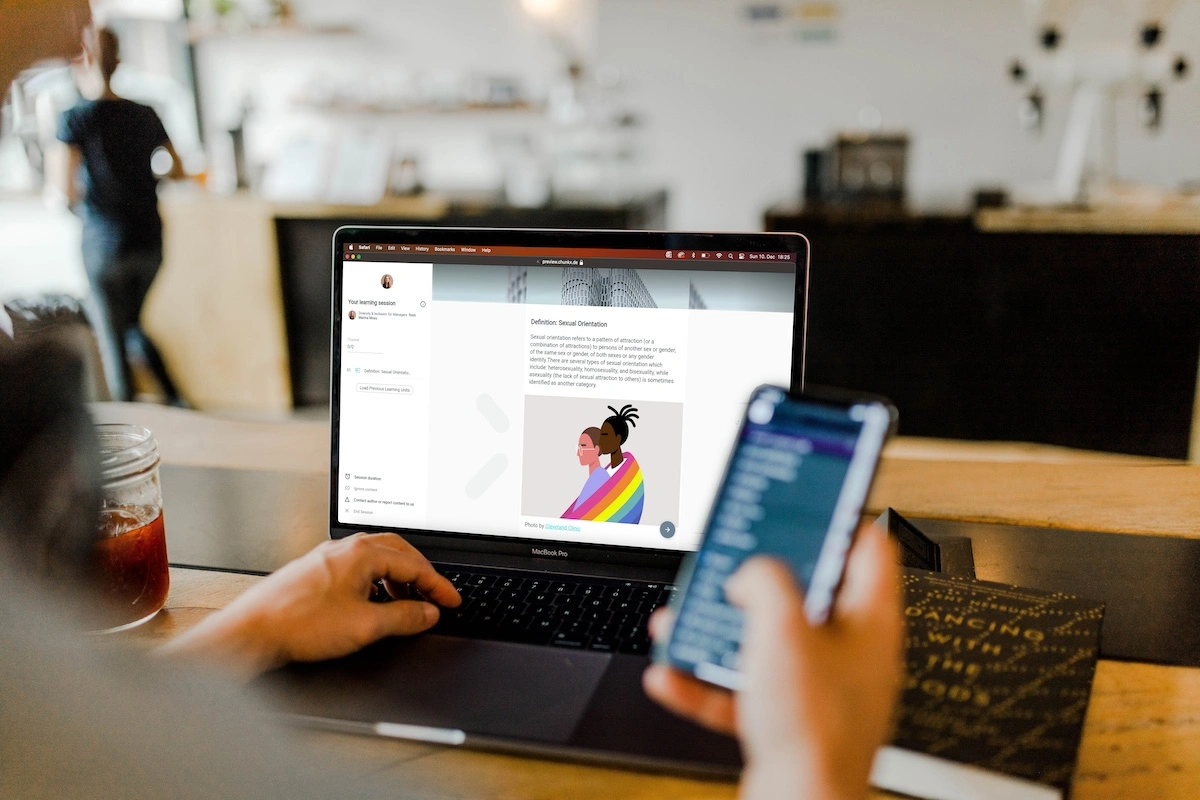
- Digital learning modules in chunkx
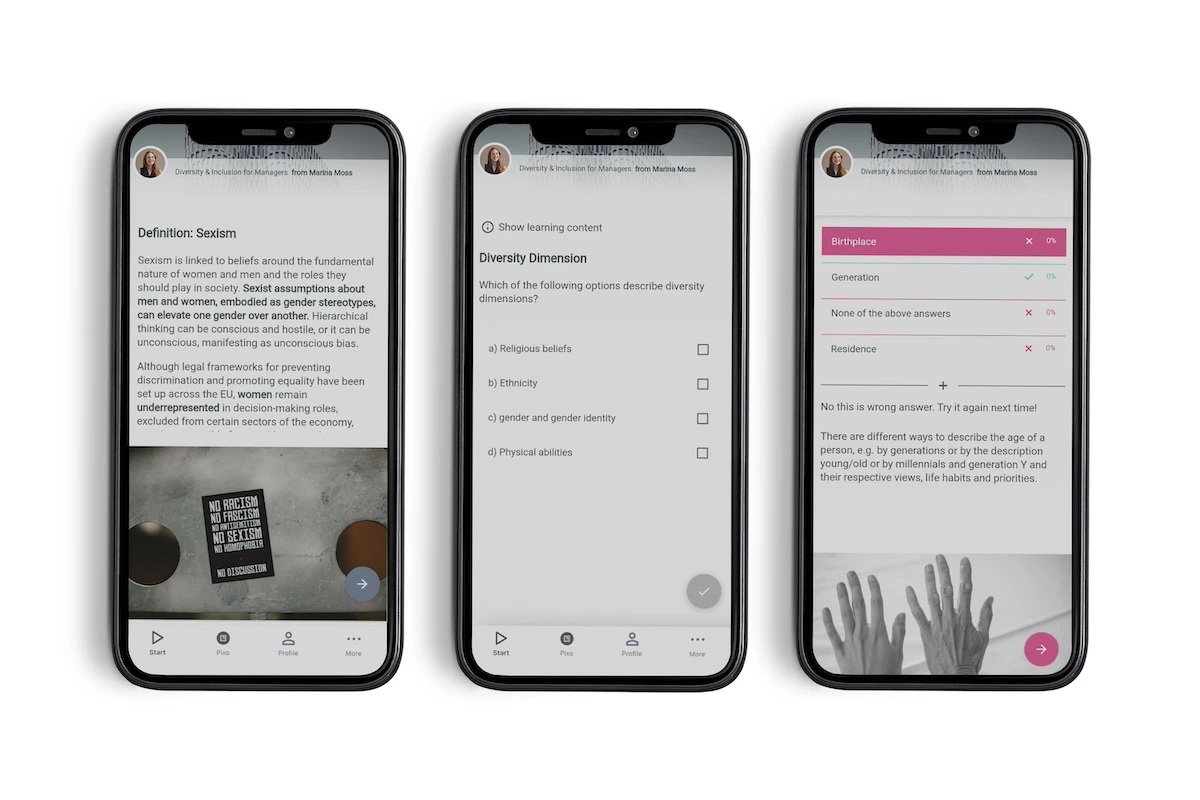
With a learning path in chunkx, the goal of an adaptive and continuous learning experience was achieved through microlearning follow-ups, personal AI-based summaries and author contributions by Cathérine Ngoli (consultant at vaunda Unternehmensberatung and chunkx author).
This combination creates an individual learning experience that helps firmly anchor learned knowledge through adaptive follow-ups.
Together with the on-site workshops by vaunda Unternehmensberatung, a future-oriented and holistic blended-learning approach was developed.
This learning journey teaches different concepts and strategies on diversity and inclusive leadership, provides space to reflect on stereotypes and prejudices, teaches strategies to counteract those prejudices, and offers recommendations for action in everyday professional life to create an inclusive corporate culture with an equitable and inclusive work environment.
This approach not only imparts theoretical knowledge, but also enables the acquisition of practical skills that can be actively applied in everyday work.
Continuous Learning as the Recipe for D&I Change
Continuous learning experiences in the area of Diversity, Equity, Inclusion & Belonging (DEIB) are essential for any company that wants to benefit from diverse, multi-layered teams. Building a team with diverse backgrounds has a direct impact on the working atmosphere and the efficiency of the entire organization. A study by McKinsey & Company shows that companies with a diverse leadership team are 33% more likely to outperform their competitors in terms of profitability.
It is clear that DEIB is not only a matter of ethos, but also a crucial factor for a company's economic success. It is therefore of the utmost importance to foster and integrate continuous learning experiences in this area to ensure a company's long-term success and relevance.