

How realistic practice prepares employees for the conversations that matter.
Companies invest significant time in teaching employees how to communicate effectively. From handling customer objections to giving constructive feedback, communication training is an essential part of professional development.
But there is a fundamental difference between knowing how a conversation should go and being able to handle it when it matters.
You can understand every principle of effective communication and still struggle to apply it in a real conversation.
So how can L&D move beyond teaching communication skills and help employees actually develop them?
Knowing What to Say Isn't the Same as Knowing How to Say It
Imagine an employee who has just completed a training course on handling difficult customer conversations.
They understand the importance of active listening, asking open questions and responding empathetically. They may even have passed a knowledge assessment.
But when a customer becomes frustrated, interrupts or raises an unexpected objection, the situation changes.
Suddenly, the employee needs to listen, think, respond and adapt in real time.
This is where traditional training often reaches its limits. Understanding a communication technique doesn't automatically mean being able to use it under pressure.
Communication skills require more than knowledge. They require experience.
Communication Skills Are Built Through Practice
Think about how people develop confidence in conversations. They try different approaches, experience unexpected reactions, make mistakes and gradually learn what works.
The same principle applies to professional communication training.
Whether employees are preparing for sales conversations, leadership discussions or customer service situations, they need opportunities to apply what they have learned.
But practicing in real situations comes with challenges. Difficult conversations cannot always be repeated, colleagues and trainers are not constantly available, and mistakes can have real consequences.
This creates a gap between learning a communication skill and developing the confidence to use it.
Realistic conversation practice can help close that gap.
Creating a Safe Space for Realistic Conversations
Conversation practice allows employees to experience challenging situations before encountering them in their daily work.
AI-powered role-plays make it possible to simulate different conversation partners, reactions and scenarios without requiring another person for every exercise.
An employee might practice responding to a dissatisfied customer, handling a price objection or delivering difficult feedback.
The important part is not simply making the conversation feel realistic.
Effective practice needs to reflect the situations employees actually face.
A sales representative, a team leader and a customer service employee need different scenarios. Even within the same role, employees may have different strengths and challenges.
This is where personalized conversation practice becomes particularly valuable: employees can focus on the situations and communication skills most relevant to their development.
Practice Becomes Learning Through Feedback
Having a conversation is only part of the learning process.
To improve, employees also need to understand how they handled the situation.
Did they ask the right questions? Did they actively listen? How did they respond to objections? Could they have approached a difficult moment differently?
Specific feedback helps employees reflect on their behavior and identify what to improve.
They can then try again, experiment with another approach and apply what they have learned.
Practice → Feedback → Reflection → Improvement
Rather than treating communication training as a one-time event, this creates opportunities for continuous skill development.
And for L&D, it shifts the focus from whether employees have completed communication training to whether they can apply their skills in realistic situations.
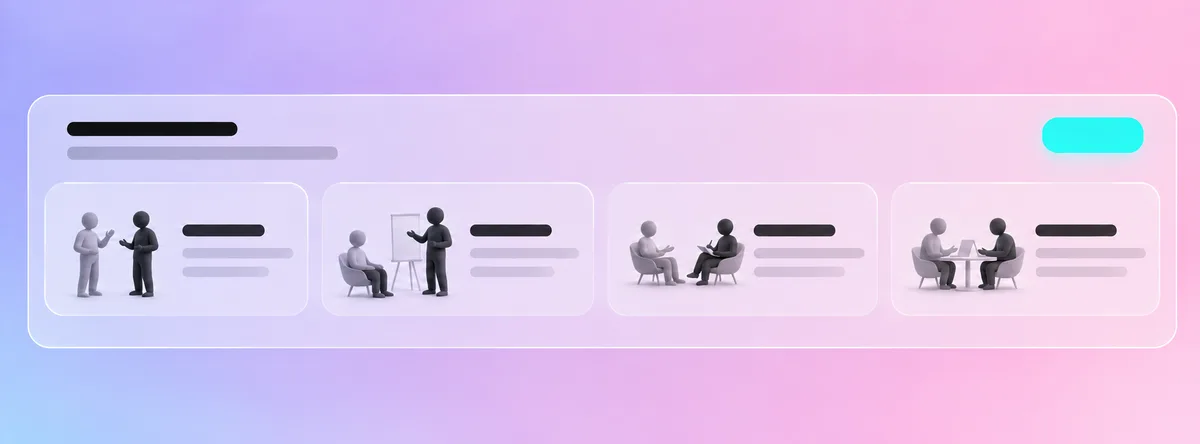
From Theory to Practice: Conversation Training at chunkx
At chunkx, we believe learning should prepare employees for the situations they actually face at work. That's why we've introduced Conversation Practice, enabling employees to develop communication skills through realistic, AI-powered role-plays.
Organizations can create their own conversation scenarios based on specific roles, learning objectives and workplace challenges. Whether it's handling customer objections, practicing a sales conversation or navigating a difficult leadership discussion, employees can practice in a safe environment before facing the real situation.
Through voice or chat, learners interact with an AI conversation partner, explore different approaches and receive detailed, individual feedback on their performance.
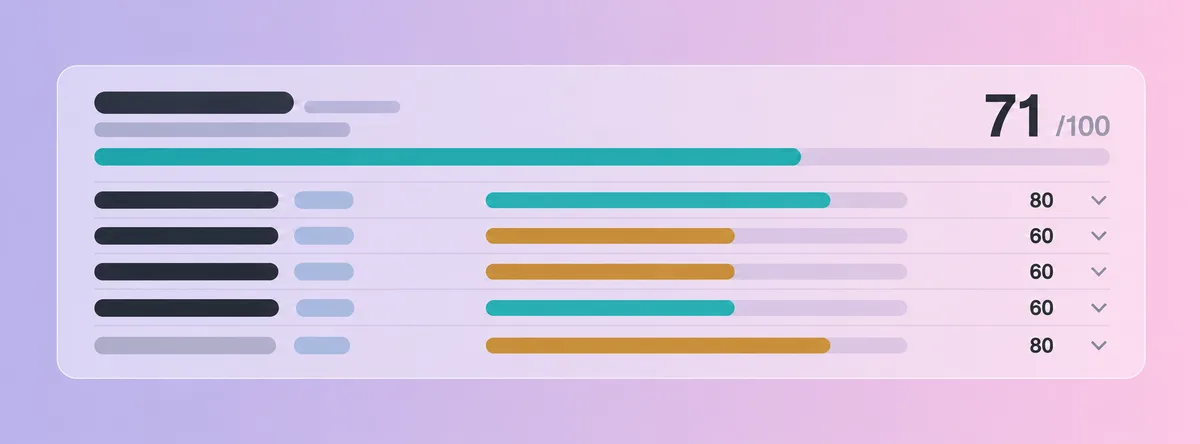
Importantly, conversation practice doesn't have to be tied to a specific course. Employees can practice communication skills independently whenever they want to prepare for a situation or improve a particular skill.
This makes it possible to connect learning more closely to real workplace challenges and create opportunities for practice beyond traditional training programs.
From Knowing to Doing
Communication skills are not developed simply by understanding what good communication looks like. They develop when people have opportunities to practice, reflect and improve.
For L&D, this means thinking beyond content delivery and creating learning experiences that prepare employees for real situations.
Because ultimately, the goal of communication training isn't to teach employees what a good conversation looks like. It's to help them have one when it matters.
Want to see how realistic conversation practice works at chunkx? Book a demo and discover how AI-powered role-plays can help your employees develop communication skills through practice and individual feedback.